
Horse Development
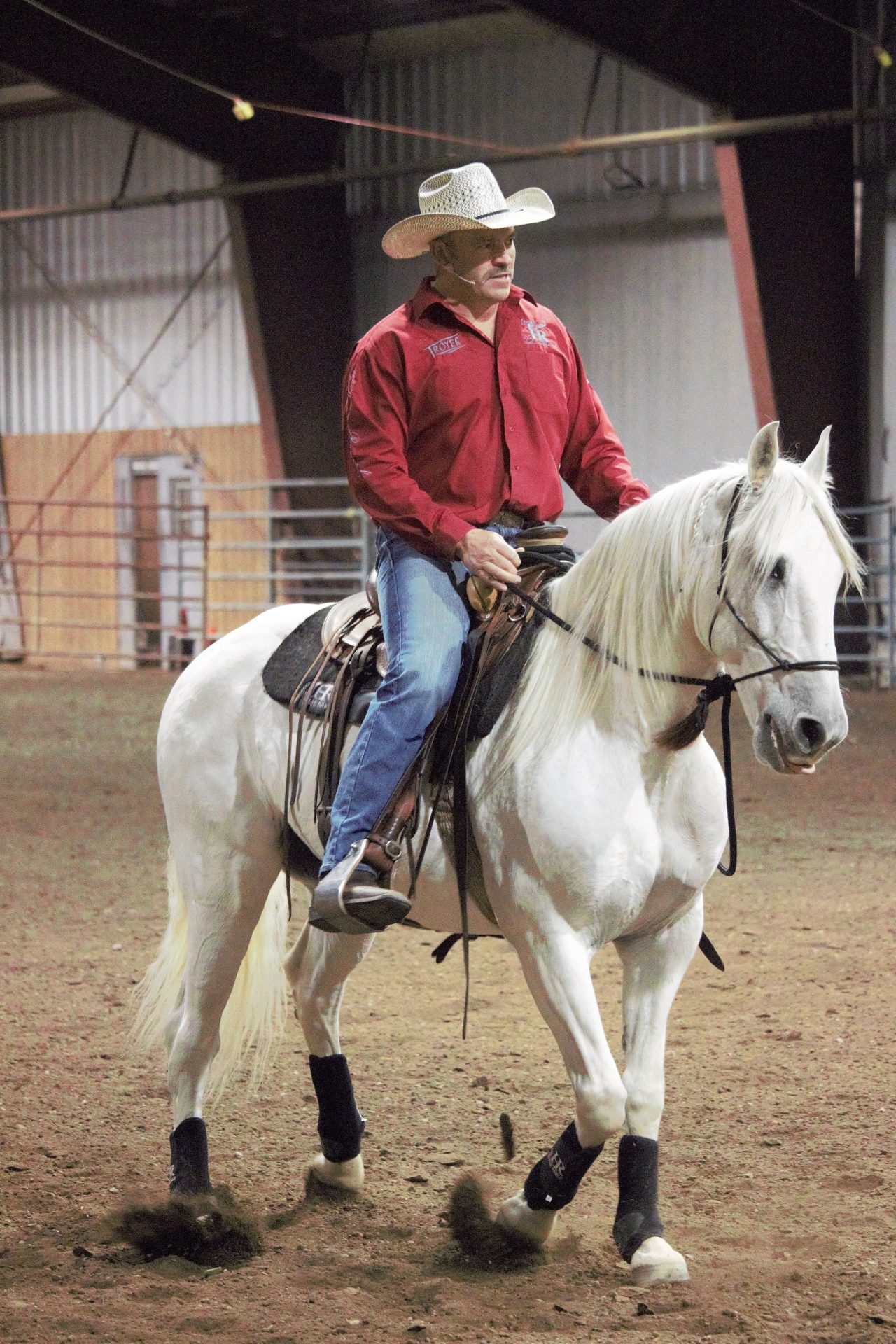
No force. No fear. Just natural communication and understanding. A good start isn’t something, it’s everything.
A language of communication is developed, and the horse learns to trust, understand and accept the rider without force. The horse is handled in such a way that makes sense to him mentally, emotionally and physically, preparing to make the first saddling and riding experiences as positive as possible.
Emphasis is placed on re-integrating the horse and owner for a lasting partnership of mutual respect and clear understanding. The broader and stronger the foundation is, the more options available to the owner and more willing and capable of their new partner can be.
Glenn rides between 30-60 client horses each year and was awarded the title of Parelli Horse Specialist at the annual Global Instructors conference in Florida, USA. In order to receive this accreditation, the requirement is to have a minimum rating in eleven different areas including Young Horses, Starting Under Saddle, Challenging horses, Foundation Training, Instructing, Horsemanship, Reining and Cow Working.
Glenn is also a farrier – having completed the Olds College Farrier Program.
The Horse Ranch is pleased to announce we are extending the Young Horse Development and Foundation Training schedule for our clients from just the winter months to year-round. For dates and locations check our calendar or contact us if you don’t see something in your area – let’s chat and we can look at setting something up.
Some of Glenn’s Awards include:
Champion, 2020 Heart of the Horse Colt Starting Competition, Alberta Canada
Champion, 2019 Heart of the Horse Colt Starting Competition, Alberta Canada
Champion, 2010 Cowboy Up Challenge, Calgary Stampede, Alberta Canada
Nominated for Western Horseman of the Year
Glenn has been asked by a variety of organizations to be a keynote speaker or lead team building and leadership training for:
Public and private corporations
Oil and gas industry leaders
Canadian billionaire business leaders
Leadership conference for medical professionals
Western College of Veterinary Medicine
Civic leaders and city managers
Talk of the Town
Equine expositions and competitions
Management Consulting in:
Development of equine facilities for a variety of disciplines
Implementing horse development programs
Mentorship for:
Equine professionals
Business development
Regardless of the dream or discipline, whether cutting, reining, dressage, ranch roping, jumping, racing or pleasure riding the common denominator is always the horse. “Horsemanship” is the tool you use to develop the skills required for the particular discipline you are interested in. “Horsemanship” is what keeps you and the horse safe and gives both parties enjoyment. The more you understand the horse and work with their natural tendencies the more extraordinary the results can be. It is natural if you cause and allow learning to happen rather than make.
Considering the horse’s point of view first and then the best way to present your idea can all be learnt. If you get it right, everything else will be too! If you understand what is important to them, have the ability to read each as an individual and know the why, the how and the when to responding, the possibilities for what horse and human can achieve in a partnership are limitless.
Like many people, I had my own horse since I was old enough to ride. I grew up on a cattle ranch and started colts in my teenage years for the neighbours. My biggest learning curve came at seventeen; I went to work for a big game outfitter. His hunting area was 160 kilometers from the nearest road and everything was done with horses. For fifteen years I would go to the mountains at the end of July and come back into town at the end of October. My jobs consisted of skidding wood, starting colts, rounding up, trimming and shoeing the horses, and trailing the new horses in and old horses out over the hundred-mile trail to the highway. Back then my teachers were the Outfitters and Guides. Some of them had ten, twenty, thirty years experience before I showed up. Every year brought more challenges and experiences. The one consistent lesson taught was – no matter what the challenge was you had to get the job done. Quite often you were the only one within a twenty kilometer radius and the situation had to be dealt with immediately. And if you didn’t know how to deal with it, you did it anyway. When these situations involved a horse they often got a bad deal only because we ran out of horsemanship skills and knowledge.